
 Turkish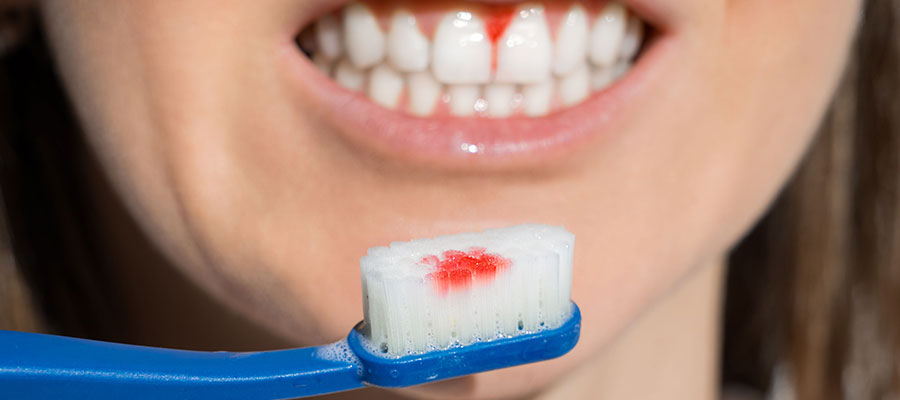
Gum bleeding is an oral health problem that many people encounter from time to time but often do not take seriously. Blood coming from the gums while brushing teeth or consuming hard foods may seem like a temporary situation in most cases, but it can actually be an early sign of certain problems developing inside the mouth. Healthy gums do not bleed under normal conditions. For this reason, gum bleeding is generally considered a sign of sensitivity or an inflammatory process occurring in the gum tissues. If the causes of gum bleeding are correctly understood and the necessary measures are taken, maintaining oral health becomes much easier. Oral and dental health is important not only aesthetically but also for overall health. The gums are important tissues that surround the teeth and support them. Problems in these tissues can, over time, also affect the health of the teeth. For this reason, when symptoms such as gum bleeding appear, it is necessary to take the situation seriously and take the necessary precautions. Regular oral care, correct tooth brushing techniques, and dental check-ups play a major role in preserving gum health.
What Is Gum Bleeding?
Gum bleeding is the condition where blood comes from the gums as a result of sensitivity or inflammation occurring in the gum tissues. It is usually noticed during tooth brushing or when using dental floss. In some people, bleeding from the gums can also occur while consuming hard foods. Healthy gums are pink in color, firm in structure, and tissues that do not tend to bleed. For this reason, bleeding can often indicate that the gum tissues are irritated or have become sensitive due to bacterial buildup.
Gum bleeding does not always mean a serious disease; however, if neglected, it can be a harbinger of oral health problems that may progress. In particular, bleeding that recurs persistently or continues for a long time can be considered an early sign of gum disease. For this reason, correctly determining the cause of the bleeding and taking the necessary measures is extremely important.
- Blood coming from the gums while brushing teeth
- Bleeding occurring when using dental floss
- Redness and sensitivity in the gums
- Swelling forming at the gum margins
- A feeling of sensitivity inside the mouth
What Causes Gum Bleeding?
The most common cause of gum bleeding is bacterial plaque accumulated inside the mouth. Foods and beverages consumed throughout the day form a thin layer on the tooth surface. When this layer is not cleaned regularly, it accumulates at the gum margins and can cause irritation in the gums over time. This situation can make the gums more sensitive and cause them to bleed during brushing.
In addition to this, different factors can also cause gum bleeding. Hormonal changes, certain medications, vitamin deficiencies, or incorrect oral care habits can affect the gum tissues. In particular, using incorrect tooth brushing technique or using a very hard brush can cause damage to the gums.
- Plaque and tartar buildup on teeth
- Incorrect tooth brushing technique
- Using too hard a toothbrush
- Neglecting dental floss use
- Smoking
- Hormonal changes
- Vitamin C deficiency
- Gum diseases
The Relationship Between Gum Diseases and Bleeding
Gum bleeding is often an early sign of gum diseases. Gingivitis, known as gum inflammation, is the earliest stage of gum diseases. During this period, redness, sensitivity, and bleeding in the gums can be observed. Gingivitis is generally a reversible condition and can be brought under control with regular oral care.
However, if gingivitis is not treated, a more advanced gum disease called periodontitis can develop. In this case, the connective tissues between the gums and teeth can be damaged and the supporting structures of the teeth can be affected. For this reason, taking early signs such as gum bleeding into consideration helps prevent more serious problems.
Gingivitis (Gum Inflammation)
Gingivitis is the condition where the gum tissues become inflamed due to bacterial plaque. At this stage, redness, sensitivity, and bleeding in the gums are observed. It can be brought under control with regular oral care and professional cleaning.
Periodontitis
Periodontitis is a more advanced stage of gum disease. In this condition, the supporting tissues between the gums and teeth can be affected. If left untreated for a long time, a situation can develop that can progress to the point of teeth becoming loose.
How Can Gum Bleeding Be Prevented?
The most effective way to prevent gum bleeding is to develop regular and correct oral care habits. Brushing teeth at least twice a day with the correct technique, using dental floss, and regular dental check-ups play a major role in preserving gum health. Oral care should not be seen merely as a quick cleaning — it needs to be carried out consciously and carefully.
In addition, dietary habits can also affect gum health. A diet rich in vitamins helps the gums remain stronger. In particular, foods rich in vitamin C can support gum health.
- Brushing teeth twice a day
- Using a soft-bristled toothbrush
- Using dental floss regularly
- Going to regular dental check-ups
- Quitting smoking
- Eating a balanced diet
- Consuming sugary foods in moderation
In Which Situations Should Gum Bleeding Be Taken Seriously?
Gum bleeding can sometimes be brief and mild. However, in some cases this bleeding may be a sign of a more serious problem. In particular, bleeding that continues for a long time and is accompanied by gum swelling and pain must be evaluated.
In addition, signs such as gum recession, bad breath, and tooth sensitivity can also be harbingers of gum disease. In such cases, the cause of the problem should be determined through a dental examination and an appropriate treatment plan should be made.
- Persistent recurrence of bleeding
- Swelling and pain in the gums
- Presence of gum recession
- Increase in bad breath
- Loosening of teeth
Daily Care Recommendations for Preserving Gum Health
For preserving gum health, oral care needs to be performed regularly. Daily care habits help not only the teeth but also the gum tissues remain healthy. For this reason, making oral care a routine is extremely important.
- Teeth should be brushed for at least two minutes.
- The toothbrush should be changed every three months.
- Dental floss use should not be neglected.
- Mouthwash can be used when necessary.
- Oral cleaning should be performed after sugary foods.
- Dental check-ups should be carried out regularly.
The most important step in preventing gum bleeding is sustaining habits that will protect oral health over the long term. Thanks to regular care and check-ups, the gums can remain healthy and potential problems can be noticed at an early stage.
Frequently Asked Questions (FAQ)
1. Is gum bleeding normal?
Healthy gums do not bleed under normal conditions. Bleeding during brushing can generally be a sign of gum sensitivity or gum inflammation.
3. If bleeding occurs while brushing teeth, should brushing be stopped?
No. On the contrary, attention should be paid to oral care. However, it is important that the brushing technique is correct and that a soft toothbrush is used.
2. Can gum bleeding be a sign of gum disease?
Yes. Gum bleeding can often appear as an early sign of gum inflammation. For this reason, a dental check-up is recommended in cases of persistent bleeding.
4. Can gum bleeding be caused by vitamin deficiency?
Yes. In particular, vitamin C deficiency can affect the gum tissues and cause sensitivity to develop.
5. Does smoking cause gum bleeding?
Smoking can negatively affect the health of tissues inside the mouth and can increase the risk of gum diseases developing.
6. How is gum bleeding treated?
The treatment method varies depending on the cause of the bleeding. It can generally be brought under control with professional cleaning and correct oral care habits.